
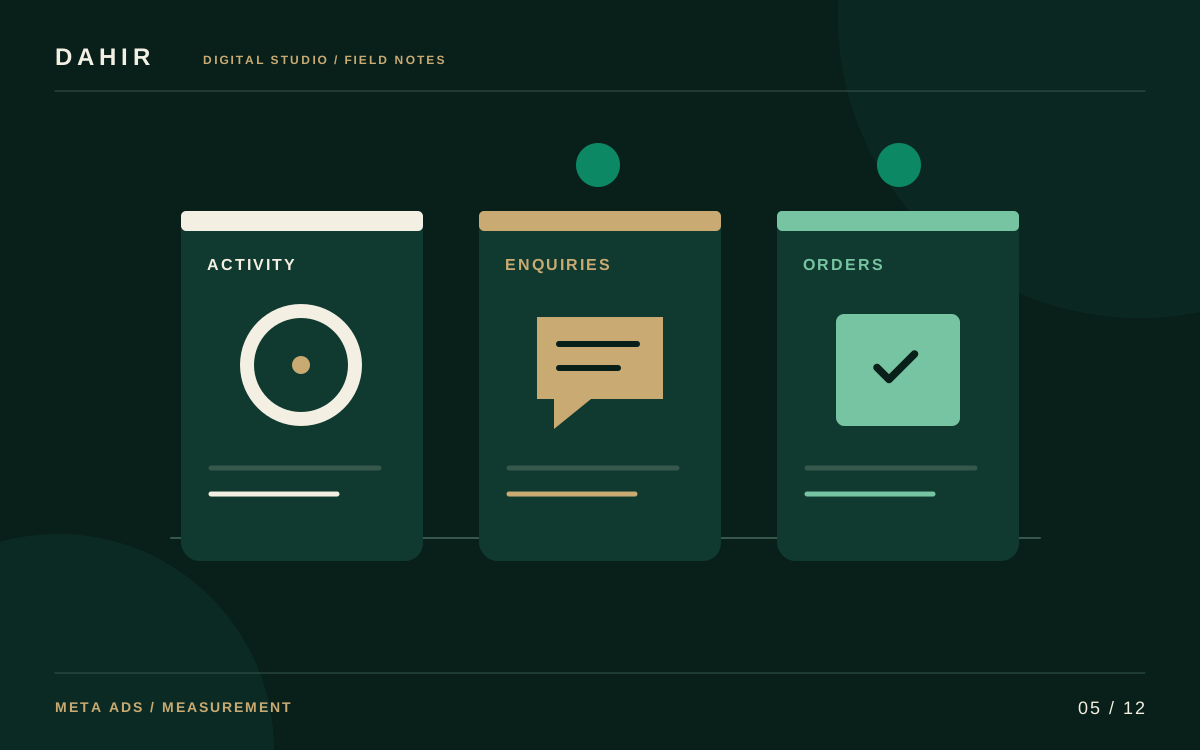
An attractive report can still leave the owner unsure whether an advertisement helped. Meta Blueprint provides training on finding and evaluating campaign metrics. This evergreen guide, reviewed on 15 October 2026, proposes a small reporting sheet that separates platform activity from the business outcomes you can actually confirm.
Write down what each number means
Keep the campaign goal, date range, currency and reporting settings beside the figures. A click, a new conversation and a paid order represent different actions. If an interface calls something a “result,” inspect its definition before treating it as a sale. Compare like-for-like periods and definitions.
Track useful enquiries separately
Agree a short qualification rule, such as asking about an available service in an area you serve. Record enquiry counts, qualified enquiries, confirmed bookings and completed orders without copying private conversations into a public report. Note common reasons people do not proceed, including stock, location or response delays.
Use simple calculations carefully
Hypothetical teaching example: spending 60 units and receiving 12 qualified enquiries gives 5 units per qualified enquiry. If only three become completed orders, that is 20 units of ad spend per order. These calculations describe the example; they do not establish profit or prove the ad caused every order.
End the report with one decision
Add fulfilment costs and margin information privately if you are assessing commercial value. Then choose one justified action: improve the offer, fix the contact route, adjust a test or stop. A report should explain uncertainty as clearly as it explains positive results.
- Same dates and definitions
- Platform activity separated from orders
- No customer identifiers in shared reports
- One action, one owner and a review date
Sources & further reading
- Meta Blueprint — Analyze your ad campaign results in Meta Ads ManagerChecked: 15 Oct 2026
Put the next step into practice.
Tell me about your business and we can discuss a practical plan.
Let’s talk on WhatsApp