
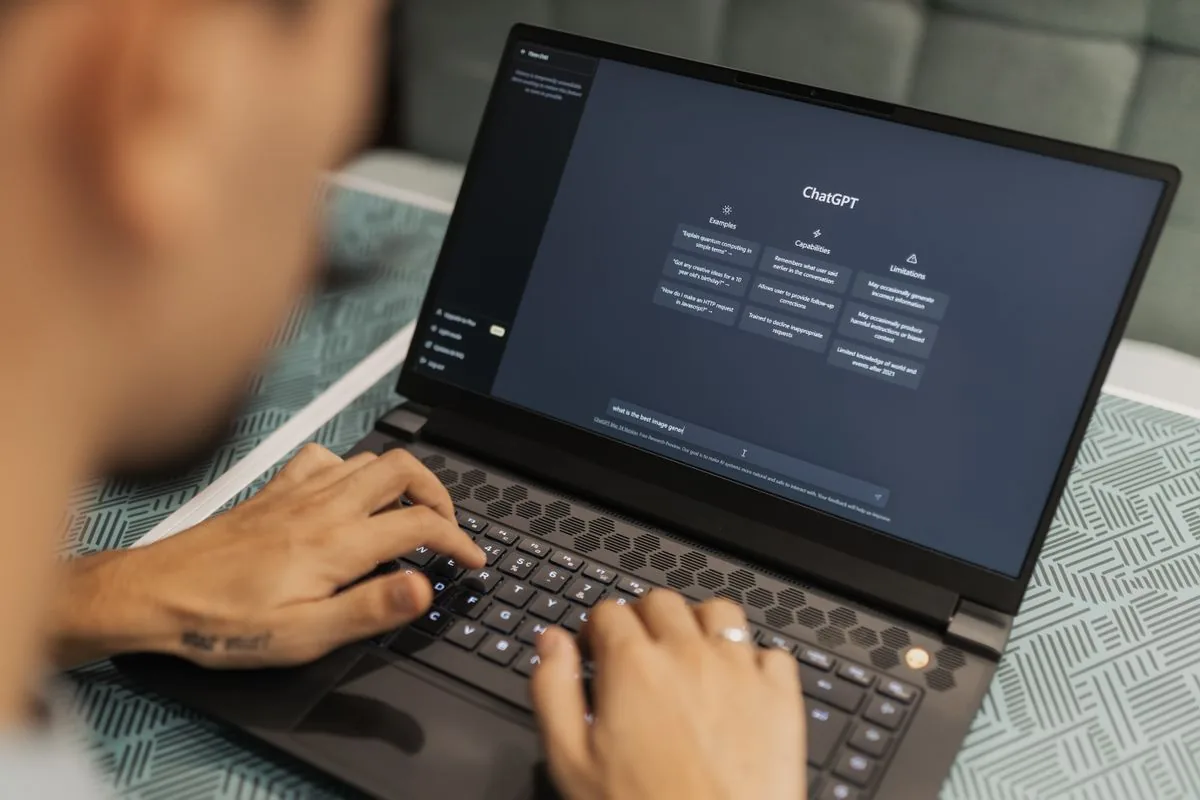
The most dangerous draft is not always the one with obvious mistakes. A confident paragraph with an invented statistic can pass a quick reading because it sounds professional. Build a verification step between an AI-assisted draft and public brand approval. This guide offers an original editorial checklist for factual business content, separate from using AI to brainstorm ideas or plan a calendar.
Highlight every claim that needs evidence
Read the draft looking for numbers, dates, quotations, product features and statements about policy or availability. OpenAI’s accuracy guidance warns that ChatGPT can produce incorrect facts and fabricated references, even when it sounds confident. Create a short claim list before polishing the prose. Separate verified facts from estimates, examples and recommendations. If the draft says a feature is available everywhere, ask what evidence supports the location, account type and date rather than accepting the broad wording.
Open the original source and check what it actually supports
Follow the cited link and find the passage relevant to the claim. Check the author or organisation, publication date and any later update. Distinguish an announcement from a feature already available to your customer. A headline, search snippet or AI summary may omit important limits. If a source cannot be accessed, either find an accessible primary source or narrow the statement and disclose the uncertainty. Keep the link and checked date with the editorial notes.
Verify your own offer with the person responsible
A correct general fact can still produce a wrong advertisement for a particular business. Confirm the current price, service scope, stock and delivery conditions with the authorised business contact. For a hypothetical social media studio, an AI draft might invent weekend support because it sounds helpful. Remove it unless the actual package includes it. Never create customer testimonials or results to make a page look established. Mark fictional examples clearly and keep them separate from real client evidence.
Approve, publish and maintain a correction path
Assign one reviewer to the final factual check and another fluent reader when translating consequential wording. Save the approved text and sources, then verify the published page because layout edits can introduce mistakes. If important information later changes, update the affected claim and review date rather than silently pretending the old text was current. Correct a material error clearly. AI can assist drafting, but responsibility for the brand’s public claim remains with the people who approve and publish it.
Sources & further reading
- OpenAI Help — Does ChatGPT tell the truth?Checked: 16 Oct 2026
Put the next step into practice.
Tell me about your business and we can discuss a practical plan.
Let’s talk on WhatsApp